
Roof Painting Services
Cape Town
get a free quote
Residential Roof Painting Services
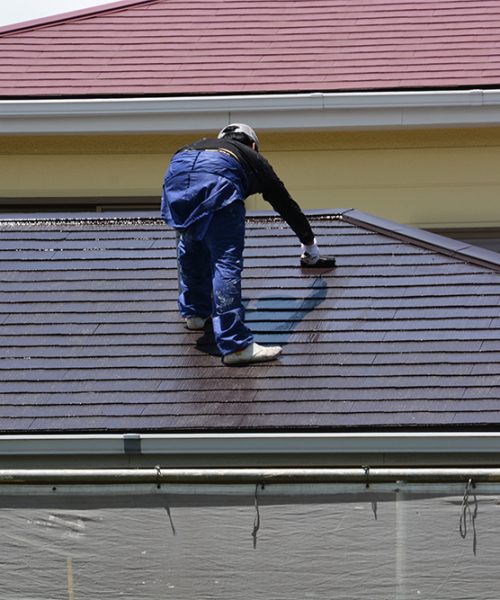
Protect your investment and boost the appearance of your property with our specialized roofing painting services. AWS PAINTING offers expert roofing painting solutions that not only improve the aesthetic of your roof but also help prolong its lifespan by protecting it from harsh weather conditions. We use top-grade, weather-resistant paints to ensure that your roof remains durable and visually appealing for years to come. Whether it’s for residential or commercial properties, our roofing painting services are efficient and affordable.
- Metal
- Flat
- Membrane Waterproofing
- Parapet Wall Waterproofing
- Liquid Rubber Waterproofing
Roof Painting FAQs
Roof painting helps protect the roof from weather damage, extends its lifespan, improves energy efficiency by reflecting heat, and enhances the overall appearance of your property.
A professionally painted roof can last 5-10 years, depending on the quality of paint used and local weather conditions.
Reflective or heat-resistant paints are often recommended for roofs, especially in sunny climates. Waterproof coatings are also essential to prevent leaks and damage.
Not all roofs are suitable for painting. Metal, concrete, and some tile roofs are paintable, while asphalt shingles and some other materials may not hold paint well.
The cost varies based on the size of the roof, its condition, and the type of paint used. However, roof painting is generally more cost-effective than a full roof replacement and helps prolong the roof’s lifespan.
Measuring a good job done on roof painting
1. Thorough Inspection and Surface Preparation
- Roof Condition Check: Before painting, a good contractor will inspect the roof for damage, leaks, rust, or other issues. Any repairs should be completed before the painting begins.
- Cleaning the Roof: A professional painting job starts with thoroughly cleaning the roof to remove dirt, moss, algae, or old paint. This is usually done with a pressure washer.
- Rust and Corrosion Treatment: Any rusted areas on metal roofs should be sanded down and treated with a rust converter or primer to prevent further damage.
- Filling Cracks and Sealing Joints: Any cracks or holes should be sealed with appropriate materials, and the roof should be primed, especially if it’s a metal or concrete roof.
2. Proper Paint and Materials
- Roof-Specific Paint: Ensure the contractor is using high-quality, roof-specific paint designed to withstand UV rays, extreme weather conditions, and temperature changes. These paints also help improve energy efficiency by reflecting heat.
- Number of Coats: A professional roof painting job usually requires at least two coats. One coat may not provide adequate protection or coverage, especially on rough or previously unpainted surfaces.
- Primer Application: For bare metal or concrete roofs, a primer is essential to ensure that the paint adheres properly and lasts longer. Make sure the contractor uses an appropriate primer where necessary.
3. Application Technique
- Even Coverage: The paint should be applied evenly with no visible brush strokes, roller marks, or thin spots. On metal roofs, there should be no gaps in coverage, especially around seams and fasteners.
- Edge and Detail Work: Roof edges, flashing, and other detailed areas should be carefully painted and sealed to prevent moisture penetration and rust. These areas often require special attention.
- Avoiding Over-Spray: If spray painting is used, nearby surfaces (gutters, windows, etc.) should be protected to avoid paint overspray. A good contractor will use tarps and masking tape to ensure no unwanted paint ends up on surrounding areas.
4. Uniform Finish
- Smooth, Consistent Finish: After drying, the roof should have a smooth, uniform finish without drips, streaks, or patches. The paint should look consistent in color and sheen across the entire roof surface.
- No Visible Defects: There should be no visible cracks, peeling, or bubbles in the paint. Any imperfections such as blisters or rough areas suggest poor surface preparation or incorrect paint application.
- Proper Drying Time: The contractor should allow enough time for the paint to dry between coats and ensure no work is done under unsuitable weather conditions (e.g., rain, wind, or high humidity), which can compromise the finish.
5. Protection Against Future Damage
- Waterproofing & UV Protection: Quality roof paints provide an added layer of waterproofing and UV resistance. Ask the contractor if the paint is formulated to resist water penetration, reduce heat absorption, and prevent UV damage, which prolongs the life of the roof.
- Energy Efficiency: Certain reflective roof paints can help reduce energy costs by reflecting sunlight. If this was part of the job, ensure that the reflective quality of the paint is evident and applied properly.